 TankFeed
- Water
- Marine
- Size
- Up to 11 cm
- Social
- Keep as a pair
- Tank
- 60 l
- Diet
- Omnivore
- Anemone
- Recommended
- Habitat
- Saltwater
- Type
- Fish
- Level
- Intermediate
A pair with character. Two little personalities in orange-and-white finery, making a patch of reef their whole world. One curious glance, one determined flick of a fin – and there you are, lingering by the tank again. Just one more minute. Promise.
Species profile
Three white bands and vivid orange mark the typical form of the ocellaris clownfish. In the aquarium, you can observe pair behaviour, territory and parental care.
Amphiprion ocellaris belongs to the damselfish family. The Florida Museum reports a maximum total length of 11 cm. Plan for adult fish, even when buying small juveniles.
Is an ocellaris clownfish right for you?
An ocellaris pair needs a cycled: Biological filtration has developed in the aquarium and filter: microorganisms convert ammonia through nitrite into nitrate. Ammonia and nitrite should remain undetectable under the intended load. Water tests check that the process is working. marine aquarium and regular care. Plan the tank, tankmates and feeding before buying.
Ask about captive-bred fish, their scientific name and familiar food. Ask to see both feeding. Before taking them home, agree an acclimation plan with the retailer that accounts for transport and water conditions.
If you want an anemone, include its space, lighting and water-quality needs in your plan from the start.
Tank size and keeping a pair
Plan the tank for a compatible pair and all intended tankmates. Adult fish need retreats, open swimming areas and enough space outside the pair's territory.
OATA's 60 litres applies to a single pair of small clownfish with no other fish, not as a universal buying recommendation. Marubis recommends at least 200 litres with a host anemone: A sea anemone with which the clownfish forms a close association. The fish uses the space among its tentacles for shelter. for ocellaris. For a new tank with an anemone and other inhabitants, 200 litres is the more cautious starting point. SDAT also advises larger, biologically stable tanks with room for tankmates.
OATA recommends two juveniles that can develop into a pair. A male can change into a female, but two adults are not automatically compatible. Marubis advises against group housing.
Who is who in a pair?
Choose a fish to discover its role.
The female. In an established pair, the female is usually larger. Two adult fish are not automatically a compatible pair.
The male. The male is usually smaller. Make sure it also gets food and has somewhere to retreat in the aquarium.
Water parameters
- Temp.
- 24–26 °C
- pH
- 7.9–8.3
- SG
- 1.020–1.025
- KH
- 8–12 °dKH
- Ammonia / Nitrite
- Both undetectable
- Nitrate (upper limit)
- ≤ 50 mg/l Not a reef target
Reference ranges & measuring tips
Match these ranges to the whole aquarium.
The grid shows OATA's general clownfish guidance: 24–26 °C, pH 7.9–8.3, specific gravity 1.020–1.025 and KH 8–12 °dKH. The nitrate figure of no more than 50 mg/l is an upper limit for this fish group, not a value to aim for or a reef target. Corals and anemones may have narrower requirements; plan water conditions for the whole community.
Ammonia and nitrite are two separate measurements and both should be undetectable. Check them regularly alongside nitrate, pH and KH; OATA recommends weekly tests, especially during initial setup and after adding livestock. Also monitor temperature and salinity. Calcium, magnesium and phosphate are additional reef checks according to coral stocking, not a separate set of targets for the clownfish itself.
Specific gravity is not salinity in PSU. Record the unit and measurement method so readings can be compared meaningfully. OATA advises replacing evaporated water with reverse-osmosis water, not newly mixed saltwater.
One suitable reading tells only part of the story. A series of measurements alongside brief observations helps you understand changes: when a fish started eating less, for example, or whether temperature fluctuates during the day.

Does a clownfish need an anemone?
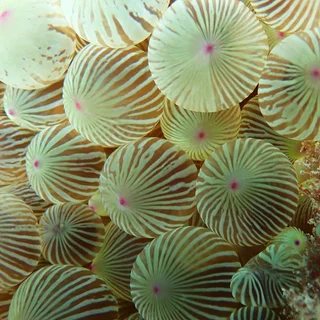
Marubis and SDAT recommend keeping ocellaris with an anemone; OATA describes successful aquarium care without one. In the wild, the fish uses its anemone's tentacles for shelter and remains closely associated with it.
Natural hosts include Heteractis magnifica, Stichodactyla gigantea and Stichodactyla mertensii. SDAT identifies the bubble-tip anemone Entacmaea quadricolor as a commonly used aquarium partner. Before buying, check that you can meet its own care requirements.
A home among the tentacles
One partnership, two perspectives.
Shelter in the reef. The host anemone shelters the fish and its eggs. This shows their natural partnership; an anemone has its own care needs in an aquarium.
Water movement. The fish’s fin movements can improve water circulation around the anemone. It may benefit from the partnership too.
Behaviour and tankmates
Ocellaris are considered relatively unaggressive among clownfish. They still defend their territory, especially when tending eggs. Other inhabitants need to swim and feed undisturbed outside it.
Persistent chasing, a fish trapped in a corner or damaged fins are reasons to reassess the stocking. The smaller fish in the pair also needs a retreat and access to food.
Food and feeding
OATA recommends small meals twice daily, eaten within a few minutes. Suitable pellets or flakes form the base, supplemented with frozen mysis or enriched brine shrimp: Brine shrimp are small crustaceans known as Artemia. Enrichment increases their nutrient content before they are fed to fish, for example by adding essential fatty acids.. A whole frozen cube is not a fixed serving for a pair.
Start with a little and check that both fish eat it. Choose suitable food sizes, offer it at two locations if needed and adjust the portion to actual intake.
Prepare frozen food according to its label and remove leftovers. The bubble-tip anemone needs its own feeding plan; the fish's two daily meals do not automatically apply to it.
If a fish suddenly stops eating or breathes differently, check water quality and seek advice from your retailer or a fish veterinarian. Note when the change began. Adding extra food does not address the cause.
Origin
The ocellaris clownfish lives on coral and rocky reefs in the tropical Indo-Pacific, from Southeast Asia and the Ryukyu Islands to northwestern Australia.
Native range
native range of the ocellaris clownfish: Southeast Asia and the Ryukyu Islands to northwestern Australia. The highlighted sea region is a schematic range overview, not individual reefs.
Base map: Natural Earth
Tropical reef
Among coral and rocky reefs
- Climate
- Tropical
- Water
- Seawater
- Depth
- 3–15 m
- Home
- Anemone
Southeast Asia · Ryukyu Islands · NW Australia
Ocellaris or percula clownfish?
The name “false percula” refers to a separate species, Amphiprion ocellaris. The similar-looking percula clownfish is Amphiprion percula. In the typical orange form, ocellaris usually has narrower black margins around its white bands; the Florida Museum also describes differences in the eyes and head shape.
Captive-bred varieties can look quite different. Ask for the scientific name instead of identifying a fish solely by its colour or trade name. Unusual markings do not change its need for a compatible partner, territory and suitable aquarium.
Captive breeding and reproduction
Eggs in the aquarium do not mean breeding has been successful. If you want to raise young fish, prepare a suitable separate rearing setup and appropriate live food before the first hatch.
From egg to young fish
Explore three stages of life.
First: a clutch of eggs. The male fans the attached eggs. ORA observes hatching after about 7–8 days; temperature affects the timing.
After hatching: larvae. Parental care ends here. Raising these delicate larvae needs a separate setup and suitable live food.
Later: young clownfish. Successful rearing leads to recognisable young clownfish. Eggs in the aquarium alone do not mean fry will survive.
Getting to know your clownfish
At feeding time, watch both fish: food intake, their usual location, breathing and fins. Brief, regular notes help you recognise changes.
When sharing experiences, include tank size, tankmates, how long the pair has lived together and whether you keep an anemone. This helps others understand your observations.
Your everyday aquarium care
Want to keep track of livestock and water readings? A free account lets you manage your own aquarium.